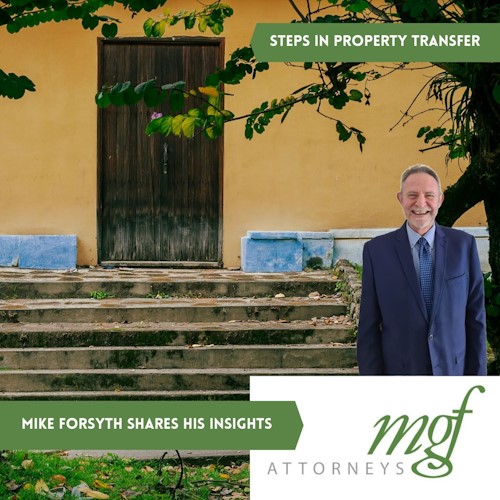
 Understanding the Steps in a Property Transfer in South Africa
Introduction:
Property transfer in South Africa involves a series of legal and administrative processes to ensure the smooth transfer of ownership from one party to another. Whether you're a buyer or seller, understanding the steps involved can help navigate this intricate process. In this article, we will outline the key steps in a property transfer in South Africa.
Agreement of Sale:
The first step in a property transfer is the agreement of sale. The buyer and seller negotiate and sign a legally binding contract, outlining the terms and conditions of the sale, including the purchase price, conditions, and any special provisions.
Appointment of Conveyancer:
Upon concluding the agreement of sale, the seller typically appoints a qualified conveyancer. A conveyancer is a legal professional specializing in property transfers who acts as an intermediary between the buyer, seller, and relevant authorities.
Title Deed Search and Property Information:
The conveyancer conducts a comprehensive search to verify the property's ownership and obtain the necessary information from the relevant Deeds Office. This includes obtaining copies of the title deed, property diagram, and any other relevant documentation.
Drafting and Signing of Transfer Documents:
The conveyancer prepares the necessary transfer documents, such as the Transfer Duty Declaration, Transfer Duty Receipt, and Power of Attorney. Both the buyer and seller review and sign these documents.
Financial and Legal Compliance:
The buyer secures the necessary financing for the property, while the conveyancer ensures compliance with legal requirements. This includes obtaining the necessary clearances, certificates, and compliance documents, such as electrical and plumbing certificates, rates clearance certificate, and homeowners' association consent (if applicable).
Payment of Transfer Costs and Taxes:
The buyer is responsible for paying transfer costs, which include transfer duty (a tax on the transfer of property), conveyancer fees, and other related expenses. The conveyancer facilitates the payment of these costs to the relevant authorities.
Lodging of Documents at the Deeds Office:
Once all the necessary documents are in order, the conveyancer lodges them with the Deeds Office in the jurisdiction where the property is located. The Deeds Office performs a meticulous examination of the documents to ensure compliance.
Registration and Transfer of Ownership:
After the Deeds Office verifies and approves the transfer documents, the property's ownership is formally transferred to the buyer. The conveyancer lodges the final documentation, including the updated title deed and transfer documents, completing the transfer process.
Payment of Outstanding Amounts:
The conveyancer settles any outstanding amounts, such as the seller's bond cancellation fees or outstanding rates and taxes, using the proceeds from the purchase price.
Handover and Possession:
The final step involves the handover of the property's keys and the physical possession of the property to the buyer. This typically occurs on the agreed-upon date, as specified in the agreement of sale.
Conclusion:
A property transfer in South Africa involves several crucial steps, from the agreement of sale to the registration and transfer of ownership. Engaging a qualified conveyancer is essential to navigate the legal complexities and ensure a successful property transfer. By understanding these steps, buyers and sellers can approach the process with confidence, making the journey towards property ownership a smoother one.
If any of this is unclear or if you need further advice, please contact MIKE FORSYTH of MGF Attorneys on 033 3431100/0828005257 who will be glad to assist you.
About the author: Mike is a long time Hilton resident and is an Attorney and Conveyancer specialising in Conveyancing, Contracts, Wills and Estate Planning.