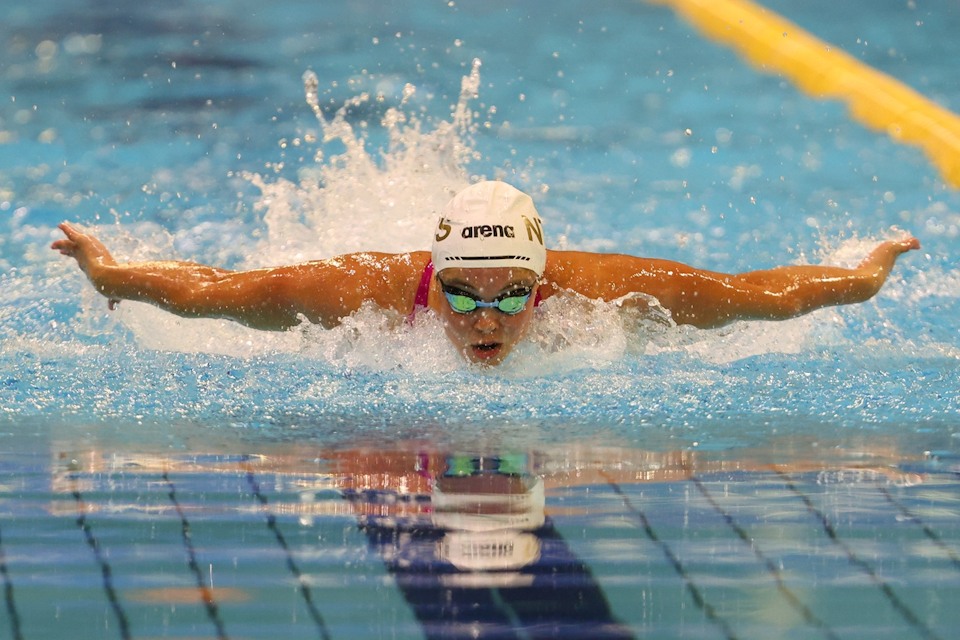
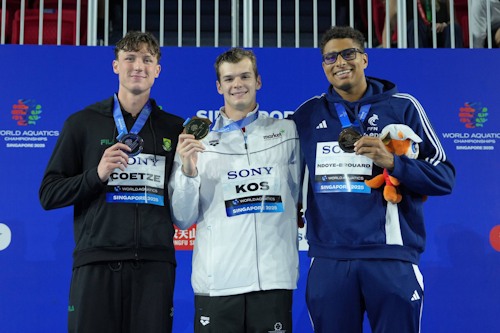
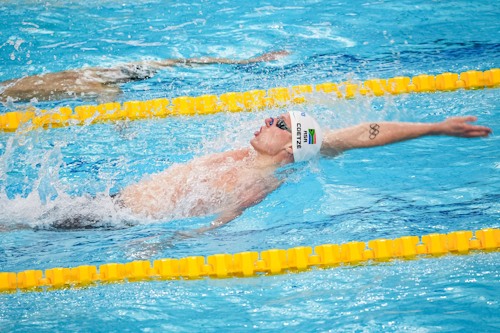
 The South African flag was raised twice more at the World Aquatics Championships in Singapore on Friday as Pieter Coetzé claimed silver in the 200m backstroke and Kaylene Corbett a bronze in the 200m breaststroke.
After his victory in the 100m backstroke on Tuesday, Coetzé lined up among the favourites, having qualified fastest for the final of the 200m event with a new African record in the semifinals.
The Pretoria swimmer went out hard in the final, turning first at both the 50 and 100m marks under world record pace, but was hunted down in the second half of the race by Olympic champion Hubert Kόs. While Coetzé closed in on the Hungarian in the final metres of the race, he just couldn’t out-touch him, finishing second in 1:53.36 seconds, just 0.17 of a second off the gold. That took almost a second off the African record he set in the semifinals and is the seventh fastest time in history. Both Kόs and Coetzé’s times beat Kόs’s gold medal-winning time from last year’s Olympic Games in Paris.
“Coming into this, I didn’t really expect to go that fast. This has exceeded all my expectations and it’s just a big honour to be in a race like that,” said an elated Coetzé afterwards.
“I kind of expected to be out very fast. I could feel that I was moving at a high pace, and I knew that I would feel it in the end, and I did.
“But it’s a big PB for me so I’m super-happy with the time.”
Just one race later, Corbett dived in for the final of the 200m breaststroke. The 26-year-old reached the first turn in fifth place and steadily worked her way up to fourth by the second and third. A final push saw her surging into medal contention, claiming a joint bronze medal with Russian Alina Zmushka in a time of 2:23.52.
Olympic champion Kate Douglass of the USA took the gold in a championship record time of 2:18.50, the second fastest time in history, with world record-holder Evgeniia Chikunova second in 2:19.96.
“It’s been a really hectic year, and it just feels like it really came together when it should, so I’m just really, really stoked about it. I’m very, very happy,” said an emotional Corbett after claiming her first world championship medal.
“I just think that I gave everything I had, and I’m just really proud of myself with that performance.”
The Pretoria swimmer has reached all her previous major finals alongside South Africa’s four-time Olympic medallist and former world-record holder Tatjana Smith and added: “Even though the world record-holder was there [tonight], even though the Olympic champion was there, I’ve been fortunate enough to swim next to Tatjana, so I know that those titles don’t always mean everything all the time.
“I’ve been fortunate enough to swim under pressure next to her my whole career basically so it’s really special to be able to win this medal. I just wish she was on the podium with me.”
Meanwhile, Erin Gallagher added more joy for the South Africans, finishing second in her 50m butterfly semifinal to book a spot in Saturday’s final. The 26-year-old powered to a time of 23.39 seconds, bettering her own national record and finishing just one hundredth of a second off Egyptian Farida Osman’s continental mark. That sees Gallagher through to the final as the third fastest qualifier.
“I’m so happy with that swim. I honestly think I owe it to Pieter and Kaylene, my teammates, for winning medals tonight,” said Gallagher afterwards.
“I was in the call-room screaming, and they just got me excited for my race and I thought I can’t drop the ball – my teammates have done so incredibly well, I need to get into that final tonight and I think that spurred me on in the race.”
Earlier in the day, Catherine van Rensburg finished 25th overall in the 800m freestyle in a time of 8 minutes 50.60 seconds.
It’ll be a busy day for the South African team in Singapore on Saturday with Coetzé returning to the pool for the 50m backstroke and Corbett for the 50m breaststroke, while Caitlin de Lange will be taking on the 50m freestyle. The mixed 4x100m freestyle relay team will also be in action before Gallagher’s 50m butterfly final in the evening session.
Photo top: Pieter Coetzé – World Aquatics
Photo below: Kaylene Corbett – Wade Brennan

 If you want to change your circumstances, the first step is to shift your inner world.
 This special evening will bring together community members and supporters for an elegant night of dinner, dancing, and purpose—all to benefit the residents of Sunnyside Village.
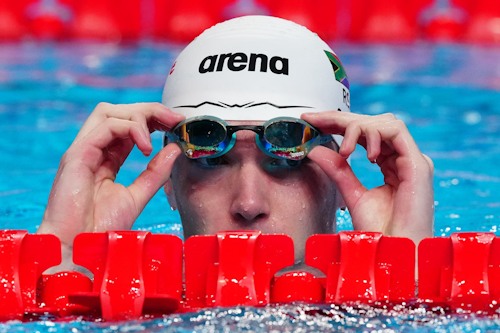 Chris Smith was the sole South African in action during the evening session at the World Aquatics Championships in Singapore on Wednesday, having earned a place in his first-ever global long course final.

 SPAR KZN Schoolgirls’ Fast 5s Netball Challenge Date Announcement
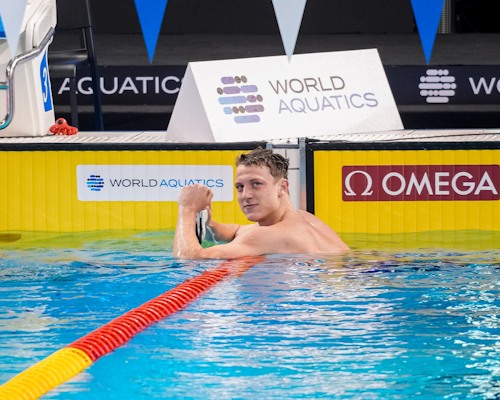 A team of 14 South Africans will dive into action as the swimming programme gets underway at the World Aquatics Championships in Singapore on Sunday.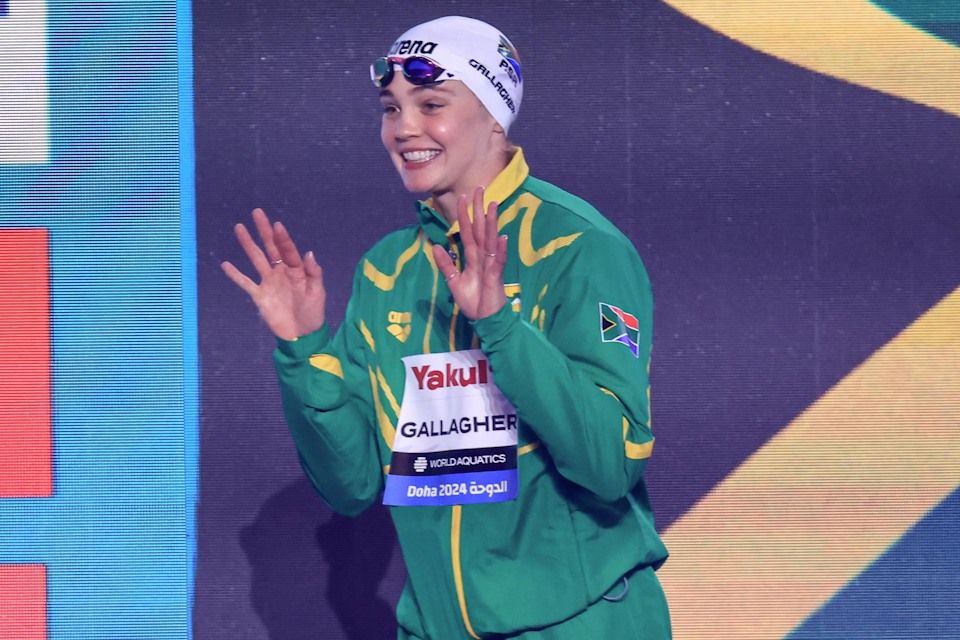

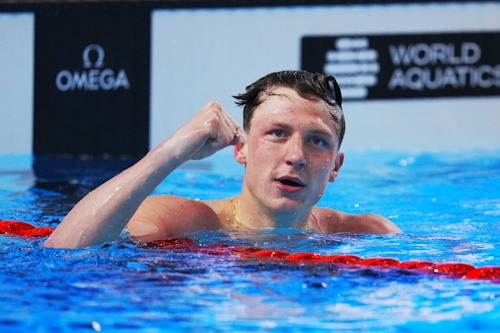 Pretoria teammates Pieter Coetzé and Kaylene Corbett both safely negotiated semifinal swims at the World Aquatics Championships in Singapore on Thursday.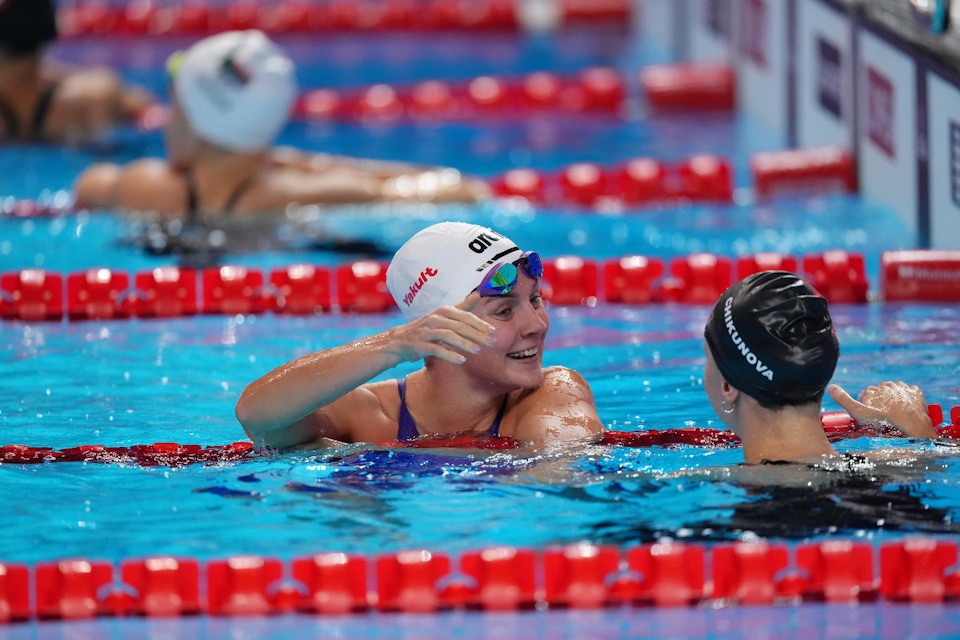




 Pieter Coetzé booked a spot in the 100m backstroke final at the World Aquatics Championships in Singapore after powering to second place in his semifinal on Monday.
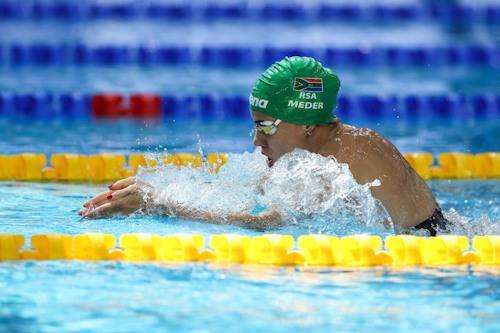 The South African duo of Rebecca Meder and Erin Gallagher both made it through to the semifinals of their respective events on the opening day of the swimming programme at the World Aquatics Championships in Singapore on Sunday.