 Hilton welcomes a new artist with an impressive resumé, Mariánne Eriksson has had 10 successful one man exhibitions with excellent reviews from newspapers around South Africa. Marianne's art has sold around the world. She has travelled widely, holds a diploma in art and design from Pretoria Technicon, and studied in Paris for a year. She works in pastels, watercolours and acrylics, and has been in her new home for just two months where she has opened Hillberry Art Gallery. The quiet, space and views from her lofty studio in Hilton inspire her. She developed from a realist to a largely romantic impressionist, sometimes an expressionist, but always painting to classical music. Mariánne is essentially an abstract symbolist, and a colourist at heart, influenced and inspired by the famous French artist Raoul Dufy. Painting in a large format brings her great joy but she will accept smaller commissions to suit her client's pocket. She has written and illustrated 13 children's books, and #1 is on sale in the gallery (R75-00).
She is enthusiastic about stirring up the local artists with invitations to regular soirées where they can share their work and thoughts. She also offers art appreciation sessions once a month for discussion on techniques and problems artists may be having (R250-00 per afternoon). Coming up will be works focused on the Meander and Drakensberg. We look forward to sharing more as Hillberry Art Gallery makes its mark on Hilton!

 With the beautiful April weather, Hilton bowlers have been out in full force and on Saturday we had 42 bowlers playing tabs-in. On Thursday we played for chickens generously donated by Lister and Lister and these were won by Doug Robertson, Taffy O'Neil-Williams and Arthur Dougherty.
 She is beautiful inside and out, Hilton's Melissa Vurovecz is through to the TOP 24 stage of the Mrs SA contest. You can help Melissa with a vote, simply SMS 'Melissa Vurovecz' to 35959. Let's get our local lady to the top!
 There will be an exciting Seminar in Hilton (a first for Hilton!) for the 55 to 75 age group entitled
 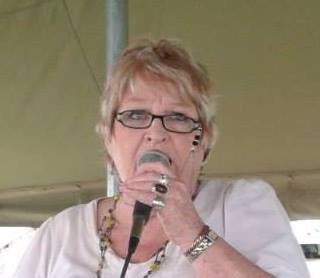 You have been invited to hear
  Knight Security Solutions celebrate 25th years in business this month and to mark this milestone they are offering an alarming birthday deal for you!
 HiltonVillage.co.za congratulate
 On Saturday 5 April representatives of the Hilton Community Security Initiative (HCSi) set up stalls outside Spar and
  Waist circumference is an independent risk factor for heart disease. That is, if your tummy is more than 80cm if you are a lady and >94cm if you are a gentleman, when you put a tape measure around the broadest circumference then you have a higher risk of heart disease as well as diabetes even if all your other health parameters are normal.
 Local lady Melissa Vurovecz's duties as a Top 24 finalist in the Mrs SA 2014 contest include fundraising for CANSA, the pageants official charity focus. Mrs SA teamed up with Honey Fashion Accessories to provide a delightful gift set.
 The Hooked on Books team presented brief performances based on various books to Laddsworth Primary School children in recognition of World Book Day on 23rd April. The team's energetic portrayal of each story made the children excited about reading books.
 The Jaxx Roll on Wednesday 16th April was won by Chris Purchase, Fred Palmer and Vernon Hickinbotham. Plate winners were Anton Leisegang, John Fowler and Ron McDonald. Thanks to
 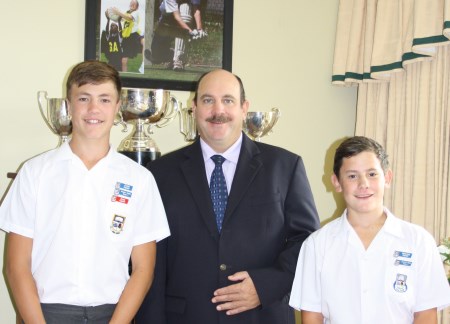 Maritzburg College awarded two scholarships to
 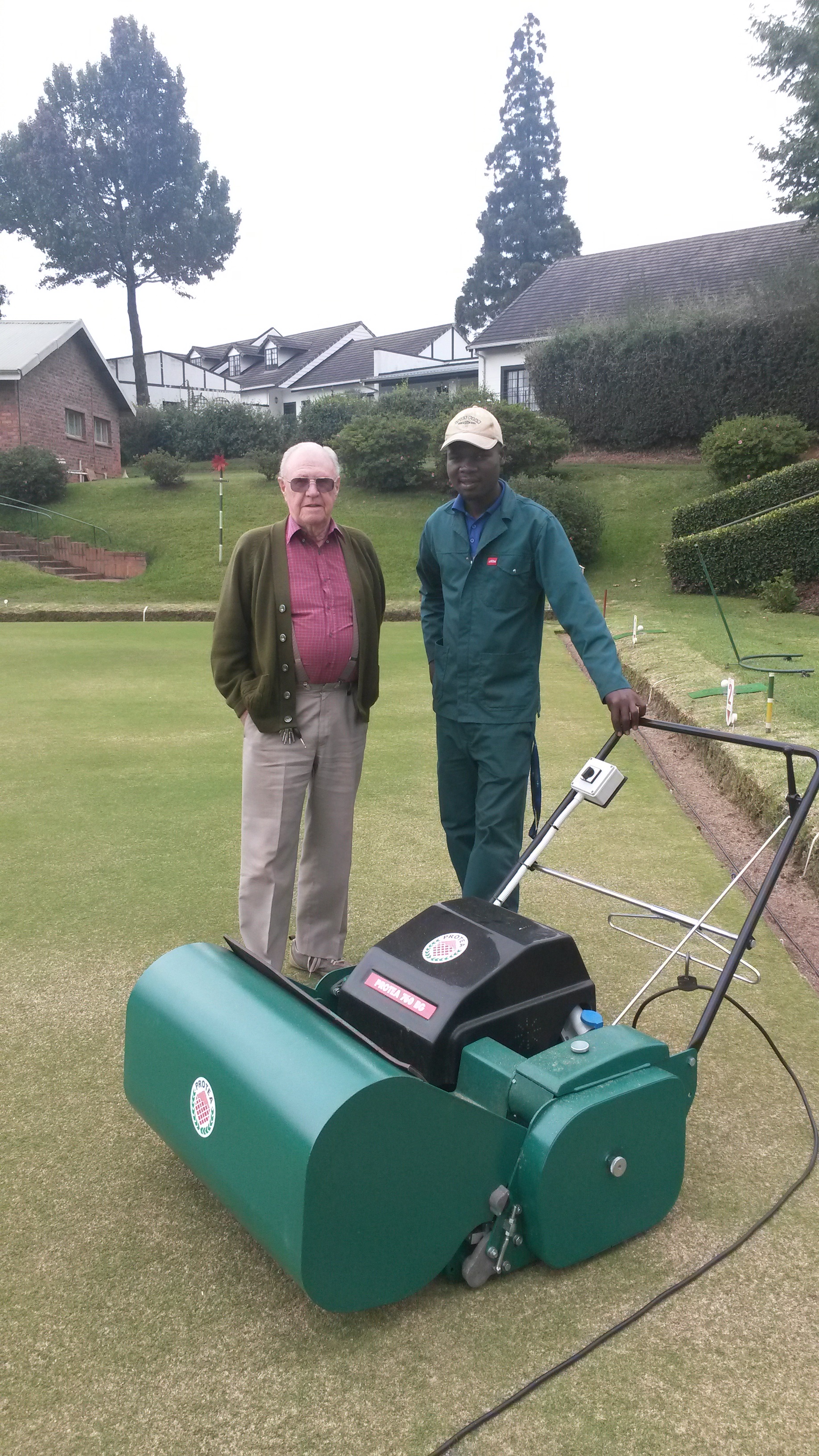 At its meeting on Saturday the committee decided that as from 1st May tabs-in time will be 13:45, with play to start at 14:00. These times will apply all year round.
 You are invited to a presentation by Tim Barry on "Back to the Woods – a guide to idle parenting"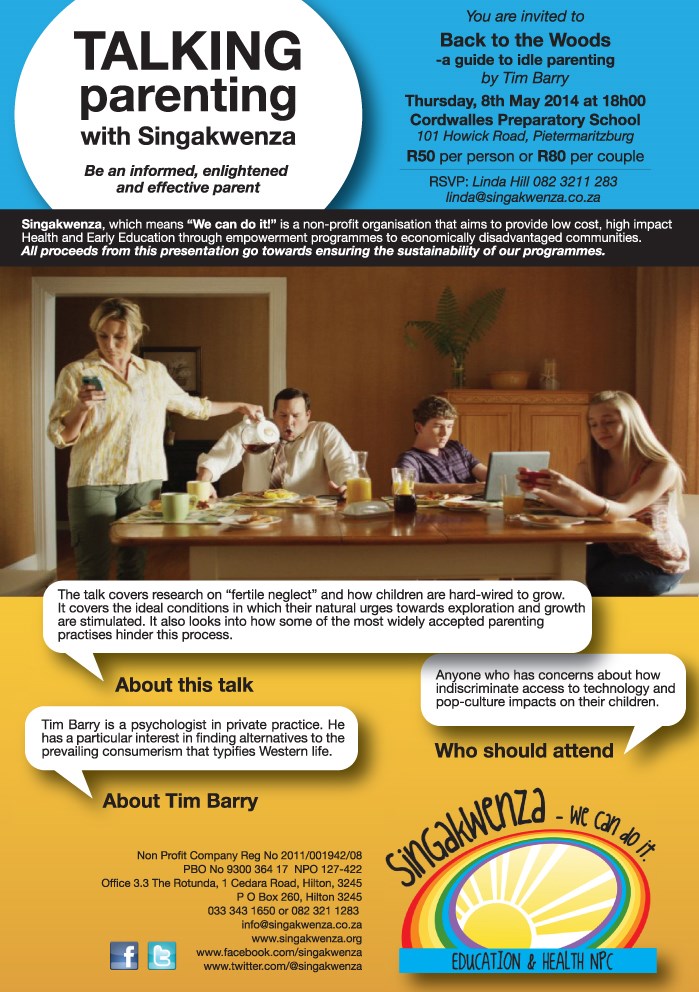
 The "Straighten up South Africa" program was initiated by the Chiropractic Association of South Africa (CASA) in partnership with the World Health Organization (WHO) in the hopes of improving spinal health awareness at 'grass roots level'. Children of today are considerably more stationary due to the increasing time spent on digital devices both for work and play. Back pain in adults is the biggest cause for absenteeism in the work place and is responsible for a great reduction in productivity and costs billions each year.
 The Hilton Community Security initiative (HCSi) is a community driven and funded project to pro-actively combat the scourge of crime in the area.